

Is Your Glove Program Still Protecting Your Workers?
When was the last time you reviewed your glove program? Not just as a checklist, but by really thinking about the people wearing them every day.
Why the Right Gloves Matter
Choosing the right pair of gloves depends on the work being done. Different environments require different types of protection, and the wrong glove can limit both safety and productivity.
Hand protection is not just about preventing cuts or scrapes. In many work environments, gloves help protect workers from heat, chemicals, abrasion, cold weather, sharp materials, poor grip, and repetitive handling tasks.
The best glove is the one that protects the worker while still allowing them to do the job safely, efficiently, and comfortably.
Start With the Work Environment
Before choosing safety gloves, start by looking at the actual conditions workers face. A glove that works well in one department, jobsite, or season may not be the right choice somewhere else.
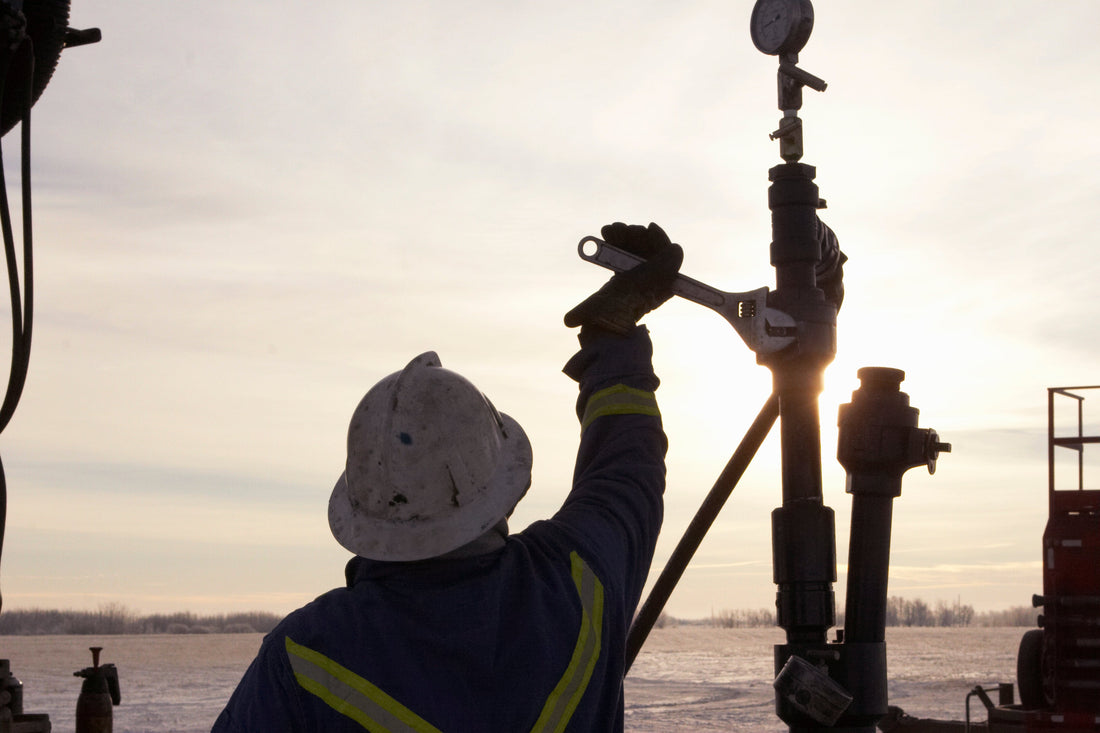
For example, a worker handling sharp sheet metal may need cut resistance and dexterity. Someone working around high temperatures may need heat resistance. A warehouse worker may need grip and abrasion protection. A worker outside during a Prairie winter may need warmth without losing hand movement.
Cut Hazards
Cut-resistant gloves are useful for machining, fabrication, maintenance, sharp materials, metal handling, and other tasks where workers face laceration risks.
Heat Hazards
Heat-resistant gloves are important for welding, high-temperature operations, hot surfaces, and tasks where radiant or contact heat may be present.
Chemical Exposure
Chemical-resistant gloves should be selected based on the specific substances being handled, exposure time, and the level of splash or contact risk.
Grip and Handling
Grip-enhanced gloves can help workers handle tools, parts, boxes, equipment, and materials more securely, especially in logistics and warehouse environments.
Protection Should Not Come at the Expense of Performance
When selecting safety gloves, it is important to consider material, thickness, comfort, dexterity, and certification. Gloves need to match the hazard, but they also need to work for the person wearing them.
If gloves are too bulky, workers may remove them to complete detailed tasks. If they are too thin, they may not provide enough protection. If they are uncomfortable, workers may avoid wearing them consistently.
A strong glove program balances protection with usability. Workers are more likely to wear gloves properly when they can still grip, move, feel, and work with confidence.
When comparing glove options, review:
- The type of hazard being controlled
- The glove material and coating
- Cut, heat, chemical, or abrasion resistance
- Dexterity and finger movement
- Grip in dry, wet, oily, or cold conditions
- Comfort during long shifts
- Fit across different hand sizes
- Replacement frequency and wear life
Common Glove Program Mistakes
Many companies have glove programs in place, but that does not always mean the program is working as well as it should. Over time, job tasks change, workers develop preferences, new hazards appear, and old purchasing habits can remain in place longer than they should.
Using 1 Glove for Every Job
Different tasks create different hazards. A single glove option may be convenient, but it may not provide the right protection for every role.
Ignoring Worker Feedback
Workers know when gloves are too stiff, too slippery, too cold, too loose, or too uncomfortable. Their feedback can reveal issues that purchasing data does not show.
Keeping Worn Gloves in Use
Gloves should be inspected and replaced when they become worn, torn, contaminated, stretched, or no longer provide the intended protection.
Forgetting About Weather
Cold hands can reduce dexterity and grip. In Saskatchewan and across the Prairies, winter conditions should be part of glove selection.
A good glove program protects hands, supports productivity, and gives workers confidence in the gear they wear every day.
Questions to Ask When Reviewing Your Glove Program
A glove program review does not need to be complicated. The goal is to understand whether your current gloves are still protecting workers properly and supporting the way work is actually being done.
When reviewing your glove program, ask a few simple questions:
- Do your people have the right gloves for the job?
- Are worn pairs being verified and replaced when necessary?
- Do workers feel confident in their hand protection?
- Are gloves comfortable enough to wear throughout the shift?
- Are workers warm enough to keep their hands dexterous in a Prairie winter?
- Are glove choices based on actual hazards instead of old purchasing habits?
The Bottom Line
The right gloves can make a major difference in worker safety, comfort, and performance. But the right choice depends on the work environment, the hazards involved, and the people wearing them.
At Senator Safety, our glove range is designed to balance protection, flexibility, and comfort throughout the workday. We keep a wide variety of gloves in stock in Regina, so crews can access the protection they need without long lead times.
If you're unsure about your current setup, we're always happy to walk through it with you - no pressure, just practical advice to help keep your crew safe.
Need Help Reviewing Your Glove Program?
Contact Senator Safety today to find safety gloves that match your work environment, protect your crew, and support productivity in the field.
Contact Senator Safety
Frequently Asked Questions About Choosing Safety Gloves
How do I choose the right gloves for a work environment?
Start by identifying the hazards workers face, including cuts, heat, chemicals, abrasion, cold weather, poor grip, or repetitive handling. Then choose gloves that provide the right protection while still allowing comfort, dexterity, and safe movement.
Why is glove fit important?
Gloves that are too loose can reduce grip and create handling issues. Gloves that are too tight can limit movement and cause discomfort. A proper fit helps workers maintain control, dexterity, and confidence throughout the workday.
When should cut-resistant gloves be used?
Cut-resistant gloves should be considered when workers handle sharp materials, metal, glass, blades, fabricated parts, or other objects that can cause cuts or lacerations. The level of cut protection should match the task and hazard level.
What gloves are best for cold weather work?
Cold weather gloves should provide warmth while still allowing workers to grip tools and move their fingers safely. For outdoor work in Prairie winters, insulation, fit, grip, and dexterity should all be considered.
How often should safety gloves be replaced?
Safety gloves should be replaced when they are worn, torn, contaminated, stretched, punctured, or no longer provide proper grip or protection. Replacement frequency depends on the task, hazard level, and how heavily the gloves are used.
Can one type of glove be used for every job?
Usually not. Different jobs require different types of protection. A glove that works well for material handling may not be suitable for chemicals, heat, sharp materials, or cold weather work.
Why does worker feedback matter when choosing gloves?
Worker feedback helps identify real-world issues with comfort, grip, warmth, flexibility, and durability. If gloves are uncomfortable or difficult to work in, workers may be less likely to wear them consistently.
How can Senator Safety help with glove selection?
Senator Safety can help review your current glove program, identify the needs of your workers, and recommend glove options that balance protection, comfort, flexibility, and availability.